Boat to Buyer Provenance

From Boat to Buyer

Follow local seafood from working watermen on the water to the fish house, Fish Alert buyers, restaurants, markets, and the customer who gets to know the whole story.

The story travels with the seafood

Local seafood should not lose its source before it reaches the buyer.

Death Fish Storied Seafood connects the harvest, the waterman, the fish house, the restaurant or market, and the final customer through one simple question: Where did this seafood come from?

When the source stays visible, the seafood carries more value. Buyers can explain the water, the timing, the species, and the working-water story behind the harvest.

Boat to Plate Provenance

A simple path from the water to the buyer.

The process keeps the seafood connected to the harvest story so buyers can move quickly, speak clearly, and keep the source visible all the way to the plate or market case.

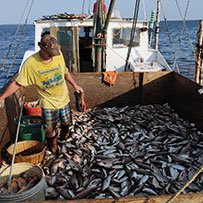
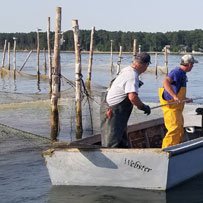
1 Working watermen harvesting local seafood on the water

Working Watermen Out Harvesting

Small-scale working watermen leave the dock and harvest local seafood from known waters using the gear, skill, and experience built through a life on the water.

2 Captain notifying the fish house that seafood is being harvested

The Captain Notifies the Fish House

As the harvest comes together, the captain lets the fish house know they are fishing, what is expected, and when the catch is likely to arrive at the dock.

3 Fish Alert recipients receiving notice of incoming seafood

Fish Alert Buyers Are Notified

The fish house sends a Fish Alert to restaurants and fish markets with the incoming species, expected availability, and price per pound before the seafood hits the dock.

4 Customer receiving local seafood and knowing where it came from

The Customer Gets the Whole Story

The seafood reaches the plate, counter, or market case with the story attached: who harvested it, where it came from, and why choosing local supports working watermen.

Fish Alert connection

Real harvest timing creates real buying opportunity.

Fish Alert is not a generic inventory blast. It is tied to active harvests, expected dock arrivals, incoming species, and price-per-pound updates so buyers can commit while the catch is still moving toward the dock.

Always ask

Where did it come from?

That one question keeps the waterman, fishing ground, fish house, and customer connected instead of letting local seafood disappear behind a generic label.

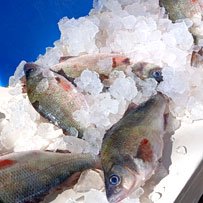
Fresh seafood harvested by local working watermen

The source story helps buyers explain why local seafood is different before the product reaches the final customer.

Known source, stronger purchase

Knowing the source changes the way seafood is sold.

When buyers can trace seafood from boat to fish house to restaurant or market, they are not just buying fish. They are supporting local harvest, regional food security, and the working watermen who keep small-scale coastal fisheries alive.

The story gives staff a reason to talk about the seafood, gives customers a reason to care, and gives local harvests a better chance to stand apart from anonymous imports.

What travels with the catch

The seafood carries more than a species name.

Each detail helps restaurants, seafood markets, and customers understand the full value of a local harvest.

The Waterman

The person and crew who worked the gear, handled the harvest, and brought the seafood back into the local supply chain.

The Water

The river, bay, sound, or fishing ground gives the harvest a real origin and connects the seafood to a place customers can recognize.

The Timing

Fresh harvest timing explains availability, price, and why buyers may need to act quickly when local seafood is incoming.

Keep the source visible

Join the buyers who want the story before the seafood hits the dock.

Fish Alerts help restaurants, seafood markets, and direct buyers know what is being harvested, when it is expected, and how to connect the product back to the working watermen behind it.