Potomac River mouth
Tributary water where salinity, freshwater flow, temperature, and shoreline habitat shape the harvest.
Chesapeake Harvest Region
The seafood you are eating came from the Lower Bay — big-water Chesapeake shaped by deeper channels, broad river mouths, pound-net grounds, oyster bars, crab routes, and migration lanes.
Regional Story
The Lower Bay is where the Chesapeake opens into wide working water. The region blends deep channels, Southern Maryland river mouths, Virginia influence, pound-net grounds, island edges, and fish house routes that have fed coastal communities for generations.
This is a strong region for telling the whole seafood story because harvest can be tied to named rivers, specific pound-net locations, crab grounds, oyster bars, and seasonal fish movement. For you as the customer, that means the seafood can be connected to a real place and real working watermen.
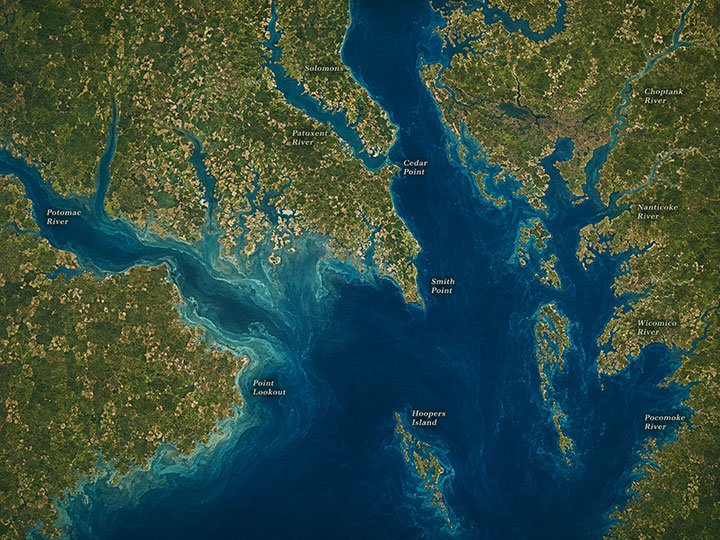
Known Fishing Grounds
These grounds and nearby waters show that “local seafood” is not just a marketing phrase. It comes from a real river, sound, shoal, creek mouth, channel edge, bar, point, or working route.
Tributary water where salinity, freshwater flow, temperature, and shoreline habitat shape the harvest.
Tributary water where salinity, freshwater flow, temperature, and shoreline habitat shape the harvest.
A named Chesapeake working ground that connects the seafood to a real place on the water.
A named Chesapeake working ground that connects the seafood to a real place on the water.
Tributary water where salinity, freshwater flow, temperature, and shoreline habitat shape the harvest.
Structure, depth changes, and current lines can concentrate bait, fish movement, and seasonal harvest effort.
A named Chesapeake working ground that connects the seafood to a real place on the water.
Island-edge water where shallow bars, protected routes, and current lines add detail to the seafood story.
A named Chesapeake working ground that connects the seafood to a real place on the water.
A named Chesapeake working ground that connects the seafood to a real place on the water.
Target Species & Seasons
These notes describe the kinds of seafood commonly associated with this region. Availability changes with season, weather, harvest conditions, and current rules, so the best question is always simple: where did this seafood come from today?
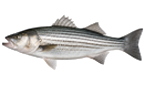
Striped bass is often tied to pound nets, channel edges, river mouths, and seasonal movement through the lower Chesapeake.
Typical availability: Regulated commercial availability; strongest story value during active local landings.
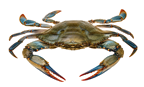
Lower Bay crab harvests connect the table to broad river mouths, shoreline routes, and warm-water grounds.
Typical availability: Late spring through fall, strongest during warmer months.
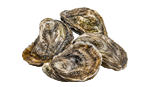
Historic bars, lease areas, and working-bottom harvest are part of the Lower Bay oyster identity.
Typical availability: Typically cooler months for wild harvest; aquaculture availability may vary.
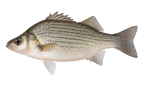
Local tributaries and river mouths can produce dependable Chesapeake table fish like white perch.
Typical availability: Spring through fall, with winter availability in deeper tributary water.
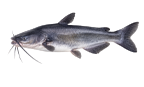
The Potomac and other tributary systems make blue catfish an important local option.
Typical availability: Year-round potential where active harvest routes are in place.
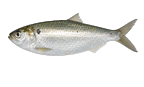
Menhaden are an important working-water species used as bait and connected to the larger Bay food web story.
Typical availability: Seasonal and market-driven, tied to local bait needs and landings.
Death Fish Storied Seafood uses these region notes to help keep seafood connected to the water, the working watermen, and the coastal communities behind it.
Common Harvest Methods
For the table and market counter
Every region has its own story: the waterman, vessel, fish house, gear, harvest area, date, and the route from boat to buyer. Working watermen keep these coastal communities connected to the Bay and help preserve the knowledge needed to work it responsibly.