Tangier Sound
Open sound water with marsh, island, shoal, and channel influence tied to long-running working-water routes.
Chesapeake Harvest Region
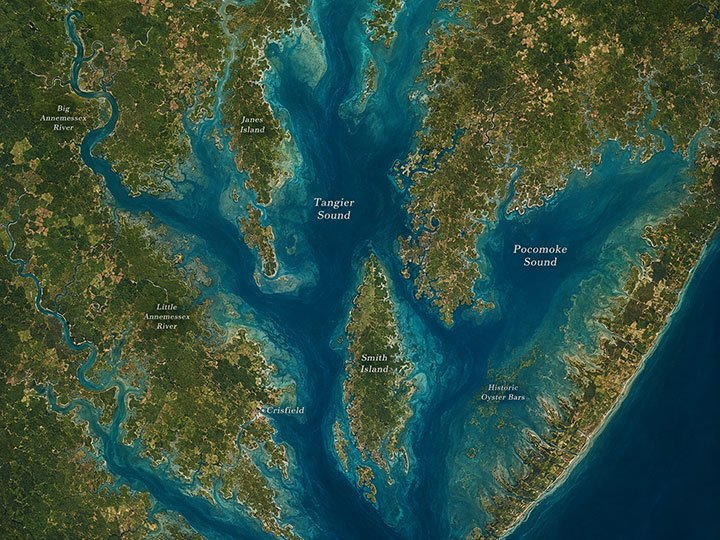
Tangier and Pocomoke Sounds are marsh, island, creek, and shoal country: a powerful Chesapeake seafood story shaped by tide, grass, mud, shell, and working families.
Regional Story
Tangier and Pocomoke Sounds are among the Chesapeake’s most storied working-water regions. The landscape is a maze of islands, marshes, guts, shallow flats, creeks, crab routes, oyster grounds, and protected edges where small-scale harvest has shaped community life for generations.
Seafood from this region should never be anonymous. The place itself adds value: island watermen, skiff routes, soft crab sheds, oyster bars, crab pot lines, and small communities whose names still mean something on a menu or fish case.
Known Fishing Grounds
These grounds and nearby waters help customers understand that “local seafood” is not just a marketing phrase. It comes from a real river, sound, shoal, creek mouth, channel edge, bar, point, or working route.
Open sound water with marsh, island, shoal, and channel influence tied to long-running working-water routes.
Open sound water with marsh, island, shoal, and channel influence tied to long-running working-water routes.
Island-edge water where shallow bars, protected routes, and current lines add detail to the seafood story.
A named Chesapeake working ground that helps connect the seafood to a real place on the water.
Island-edge water where shallow bars, protected routes, and current lines add detail to the seafood story.
Tributary water where salinity, freshwater flow, temperature, and shoreline habitat shape the harvest.
Tributary water where salinity, freshwater flow, temperature, and shoreline habitat shape the harvest.
A named Chesapeake working ground that helps connect the seafood to a real place on the water.
A named Chesapeake working ground that helps connect the seafood to a real place on the water.
Bottom ground tied to oyster history, shell, tide, water quality, and community harvest traditions.
Target Species & Seasons
The listings below are written as customer-facing availability notes, not legal harvest rules. Regulations, quotas, gear openings, and public notices can change, so final buying language should always follow the current state and federal requirements.
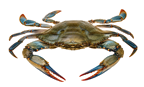
A signature harvest of the region, including hard crabs and soft crab traditions tied to marshes, sheds, and shallow-water routes.
Typical availability: Late spring through fall, strongest in warm months; soft crab timing is tied to shedding cycles.
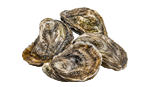
Bars and bottom grounds are part of the region’s long working-water identity.
Typical availability: Typically cooler months for wild harvest; aquaculture may extend availability.
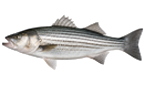
Seasonal movement through sounds, island edges, and channel transitions.
Typical availability: Regulated commercial availability varies by gear, date, and year.
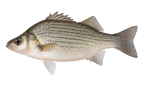
Creeks, rivers, and brackish marsh edges can produce local perch.
Typical availability: Spring through fall, with some colder-season tributary availability.
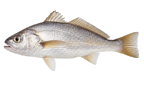
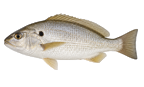
Warm-season fish can help define the southern Bay table when available.
Typical availability: Late spring through early fall, depending on temperature and movement.
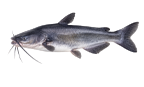
More tied to tributary influence but increasingly important in Chesapeake seafood sourcing.
Typical availability: Year-round potential in active tributary harvest areas.
Death Fish Storied Seafood updates these descriptions as live Fish Alert landings, captain updates, and fish house records are added.
Common Harvest Methods
For Restaurants & Markets
Every region has its own provenance: waterman, vessel, fish house, gear, harvest area, date, and the route from boat to buyer.