Why it matters
Names create connection
When crab makes someone think of a river, shoreline, crabber, or lower Chesapeake community, the seafood becomes more than a product. It becomes a real place and a real person.
Plain-language seafood, watermen, region, gear, and provenance terms used throughout Death Fish Storied Seafood.
Words behind the story
The language around seafood can make the story feel distant: gear names, dock words, harvest terms, species names, and market phrases can all blur together. This glossary is here to make the story clearer, so restaurants, markets, customers, and curious seafood buyers can better understand the working watermen, coastal regions, and harvest practices behind the seafood on the plate.
Why it matters
When crab makes someone think of a river, shoreline, crabber, or lower Chesapeake community, the seafood becomes more than a product. It becomes a real place and a real person.
For buyers
Knowing the terms helps customers ask better questions at restaurants and seafood markets: where it came from, who harvested it, what gear was used, and when it was landed.
For watermen
Working watermen are often the least visible part of the seafood chain. Clear language helps put their work, risk, skill, and region back in the spotlight.
A quick way to read this page
Death Fish Storied Seafood uses these words to help make local seafood easier to understand and easier to support. Some terms describe harvest gear. Some describe the path from boat to buyer. Others describe the cultural and regional connection that gives seafood its story.
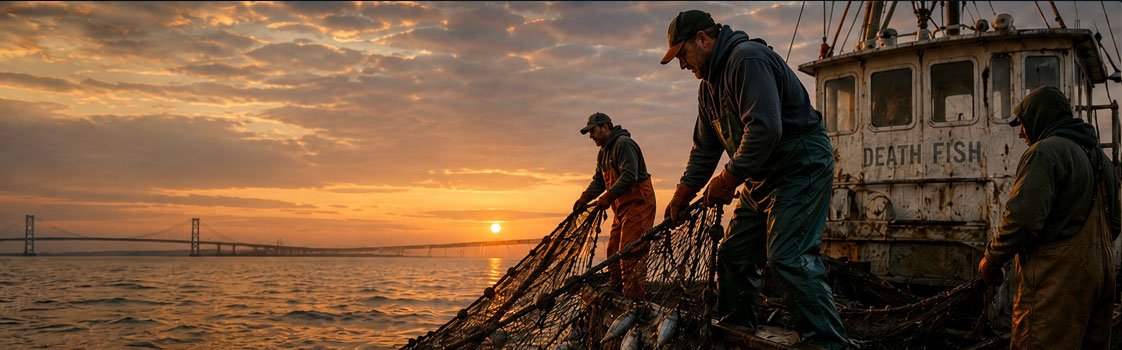
The goal is simple: when someone buys seafood, they should have a way to understand the water, the season, the gear, and the working watermen behind it.
Story terms
Core idea
Seafood connected to a real source story: the waterman, the region, the species, the season, the harvest method, and the route from boat to buyer.
It is the opposite of anonymous seafood.
Recognition
A Death Fish designation for restaurants, markets, and buyers who commit to transparency, sustainability, and supporting local working watermen.
This is intended as a visible recognition and trust message for customers, not a replacement for required seafood handling or regulatory compliance.
Origin
The known origin and background of seafood: where it came from, who harvested it, and what story can be carried with it.
Path
The ability to follow seafood back through the chain, from the buyer or plate toward the dock, fish house, vessel, waterman, region, or harvest record.
Campaign
The central consumer question behind Death Fish Storied Seafood. It encourages customers to make seafood source part of the purchase.
Customer-facing
A scannable link used on packaging, signage, menus, or displays that sends customers to a waterman profile, region page, harvest story, or seafood source page.
Working watermen terms
Person
A commercial fisherman, crabber, oysterman, or seafood harvester who works the water as part of a coastal livelihood.
Crew
The person responsible for the vessel, crew, fishing plan, safety, harvest decisions, and communication with buyers, fish houses, or check stations.
Crew
Experienced hands who help harvest, handle gear, sort seafood, work nets or pots, load fish, and keep the boat moving safely and efficiently.
Place
The docks, slips, fish houses, ramps, sheds, roads, vessels, and communities that support commercial harvest and seafood movement.
Dock
A dockside seafood business that receives, weighs, handles, packs, buys, sells, or distributes seafood after it comes off the boat.
Record
A location or process where a harvest can be weighed, documented, communicated, and connected to buyers or required reporting steps.
The language of labor
The harvest is not just the moment seafood reaches a market. It includes weather, gear, fuel, licensing, regulation, experience, maintenance, risk, and regional knowledge built over seasons and generations.
Knowing where to fish, when to move, how to read water, and how to handle gear safely takes time on the water.
Weather, changing conditions, equipment issues, and market uncertainty are part of the real cost behind local seafood.
Merchandise, signage, QR stories, and buyer participation help make working watermen more visible to the public.
Gear and harvest terms
Net gear
A fixed fishing structure that uses poles and netting to guide fish into a holding area called the pound, where the harvest can be gathered from the boat.
Net gear
A net designed to catch fish as they swim into the mesh. Rules, seasons, mesh sizes, and allowed areas can vary by fishery.
Crab gear
A baited trap used to harvest crabs. Pots are usually marked and worked in lines or sets depending on the water and season.
Oyster gear
Long-handled tools used to harvest oysters by hand from the bottom. Tonging is one of the most recognizable traditional Chesapeake harvest methods.
Oyster gear
A harvesting device used to collect oysters or clams from the bottom. Dredging is regulated by area, season, gear, and fishery rules.
Bait
Fish harvested or purchased for use as bait in other fisheries, such as crab pots or hook-and-line fisheries.
Harvest
The moment or record of seafood being brought to the dock, offloaded, weighed, or entered into the market chain.
Harvest
Species caught along with the target species. Depending on the fishery and rules, bycatch may be retained, released, reported, or restricted.
Species terms
One objective of Death Fish Storied Seafood is to make region and waterman part of the way people think about seafood. Crab should call up the lower Chesapeake, familiar rivers, marsh edges, dock roads, shoreline communities, and the people who work those waters.
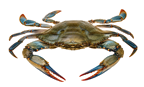
A signature Chesapeake species harvested by watermen using crab pots, trotlines, or other regulated methods depending on area and season.
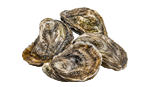
A shellfish tied deeply to Chesapeake working waterfronts, winter harvest, restoration conversations, and regional seafood identity.
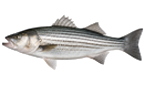
Also called striped bass. A highly recognized Chesapeake fish with strong cultural, regulatory, commercial, and recreational importance.
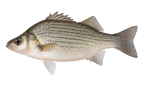
A familiar local fish connected to rivers, creeks, pound nets, market customers, and everyday Chesapeake seafood meals.
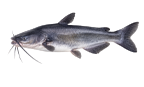
A widely available river fish that has become an important local seafood opportunity for harvesters, processors, restaurants, and consumers.
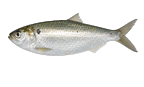
A small oily schooling fish often connected to bait, forage fish conversations, crab bait, and the larger food web.
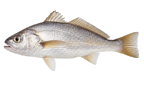
A seasonal fish known by many Chesapeake seafood customers and tied to warmer months, local waters, and regional availability.
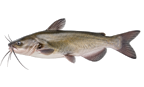
A broad market term that can include different catfish species. Death Fish storytelling should help clarify what species and water are involved.
Buyer and market terms
Process
The path seafood takes from working watermen to restaurants, seafood markets, wholesale buyers, and customers.
Alerts
A Death Fish notification sent to participating buyers when seafood is expected to arrive, including species, timing, and quoted price when available.
Buying window
The period of time a buyer has to respond to an incoming harvest opportunity before the seafood is offered elsewhere or the quote changes.
Price
A quoted price held for a defined time window so buyers can make a timely commitment while the seafood is still moving toward the dock or market.
Display
A physical sign, plaque, framed recognition, table tent, menu insert, or display piece that lets customers see a buyer’s Certified Storied Seafood status.
Support
Shirts, hoodies, hats, decals, and other items that help customers visibly support working watermen while adding supplemental support around the seafood story.
Region terms
A major part of Storied Seafood is helping customers associate seafood with the waters, shorelines, crews, and harvest seasons that produced it.
Place
The general water or region where seafood was harvested, such as a river, bay, sound, creek mouth, channel edge, point, or fishing ground.
Place
A known working area where watermen commonly harvest certain species because of bottom, current, salinity, depth, shoreline, or seasonal movement.
Water
The lower portion of the Chesapeake Bay and connected waters, often associated with crab, oyster, fish movement, river mouths, points, and working waterfront communities.
Water
A river or smaller water body that feeds into a larger river, sound, or bay. Tributaries often shape harvest season, salinity, species mix, and local identity.
Season
A consumer guide showing what seafood may be expected during different parts of the year from local watermen and regional waters.
Identity
The connection between a seafood species and the place people picture when they think of it, such as crab and the lower Chesapeake or oysters and a named river.

Make the words useful
The next time seafood is on the menu or in the market case, ask the simple question that brings the story forward: where did it come from?
Display Certified Storied Seafood recognition, wear Working Watermen merchandise, scan the QR stories, and help customers connect species with the watermen and regions behind them.