Pound-net and river harvest identity
The St. Mary’s River is a defining Southern Maryland water with strong local identity, working-water tradition, and a clear connection between harvest and community.
Death Fish Storied SeafoodAlways ask where the seafood came from
If you arrived at this page from a QR code link Your seafood came from these southern Maryland waters. If you arrived here from another link, Ask if the seafood you are eating came from Maryland waters. Southern Maryland waters include the St. Mary’s River, lower Potomac, lower Patuxent, and nearby Chesapeake Bay, where working watermen still connect local seafood to real rivers, docks, and communities.
Regional overview
Southern Maryland seafood is shaped by river systems more than by one single waterfront. The St. Mary’s, lower Potomac, and lower Patuxent each carry their own traditions, harvest timing, gear, and local knowledge while still feeding into the larger Chesapeake story.
Map the waters
Fishing grounds
The St. Mary’s River is a defining Southern Maryland water with strong local identity, working-water tradition, and a clear connection between harvest and community.
The lower Potomac is a broad working-water reach where fish, crabs, and river conditions shape what comes to the dock.
The lower Patuxent helps show how close the seafood story still is to real local communities, creeks, docks, and river mouths.
Point Lookout and nearby Bay waters connect Southern Maryland river harvests to the larger Chesapeake picture.
Species with a place
For many customers, Southern Maryland striped bass carries immediate recognition. It is even more meaningful when tied to the river, gear, and waterman behind it.
Blue crab is one of the clearest connections between the Chesapeake and the table. It immediately evokes a place, a season, and a working-water culture.
White perch and blue catfish help show what a working river fishery really looks like beyond the best-known names.
Oysters and bait fish help tell the fuller river story. Not every harvest is center-of-plate, but each one supports the working reality behind local seafood.
Working watermen
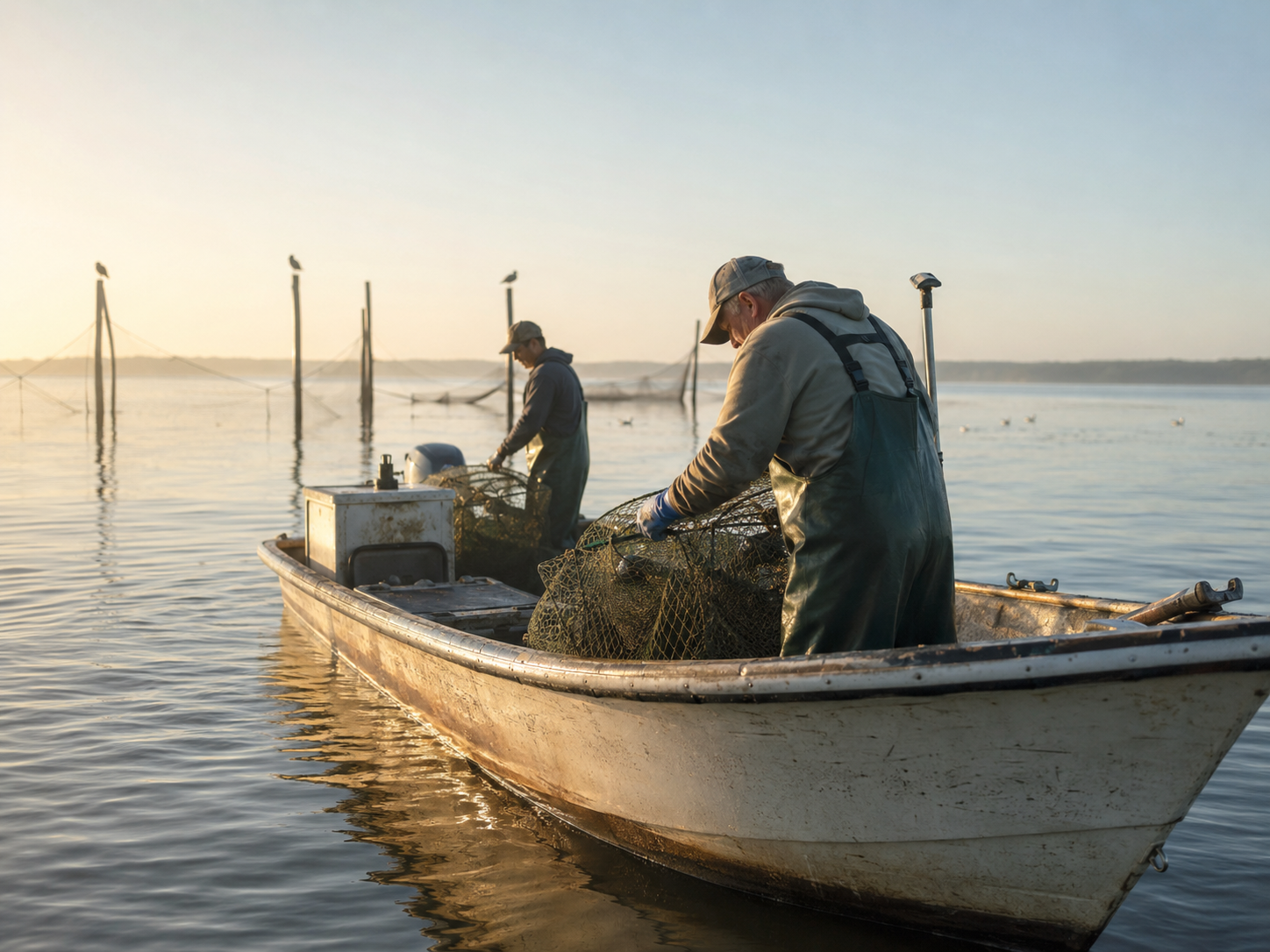
The watermen of Southern Maryland carry the cost, labor, skill, and responsibility of working these rivers. Their presence supports local docks, seafood markets, restaurants, and small communities while keeping practical knowledge of the waterways alive.
Carry the river story forward
When you enjoy seafood from Southern Maryland, you are tasting a working river culture. Visit these small coastal communities, ask where the seafood came from, and help keep the watermen’s role visible.