Death Fish Storied SeafoodAlways ask where the seafood came from

Seafood Regions

These are the waters behind the fish and crabs Death Fish picks up and moves to restaurants, markets, and buyers throughout the route. Each region carries its own harvest rhythm, species mix, and working-water story.

From dock to buyer

Place gives seafood its story.

Death Fish works across a connected route of rivers, bays, marshes, docks, crab sheds, oyster grounds, and working waterfronts. This section gives buyers and customers a clearer picture of where the seafood comes from and the watermen who make that harvest possible.

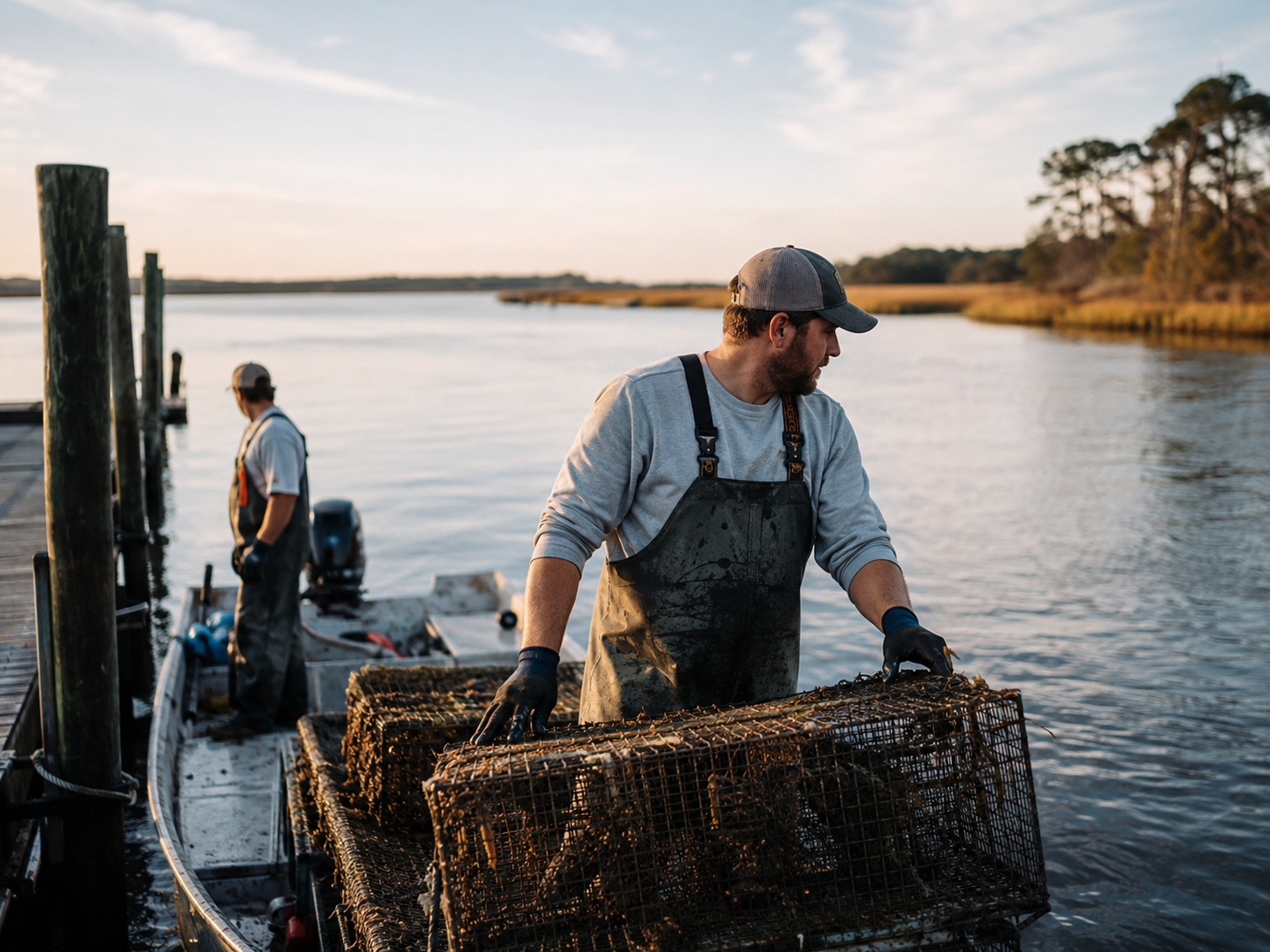
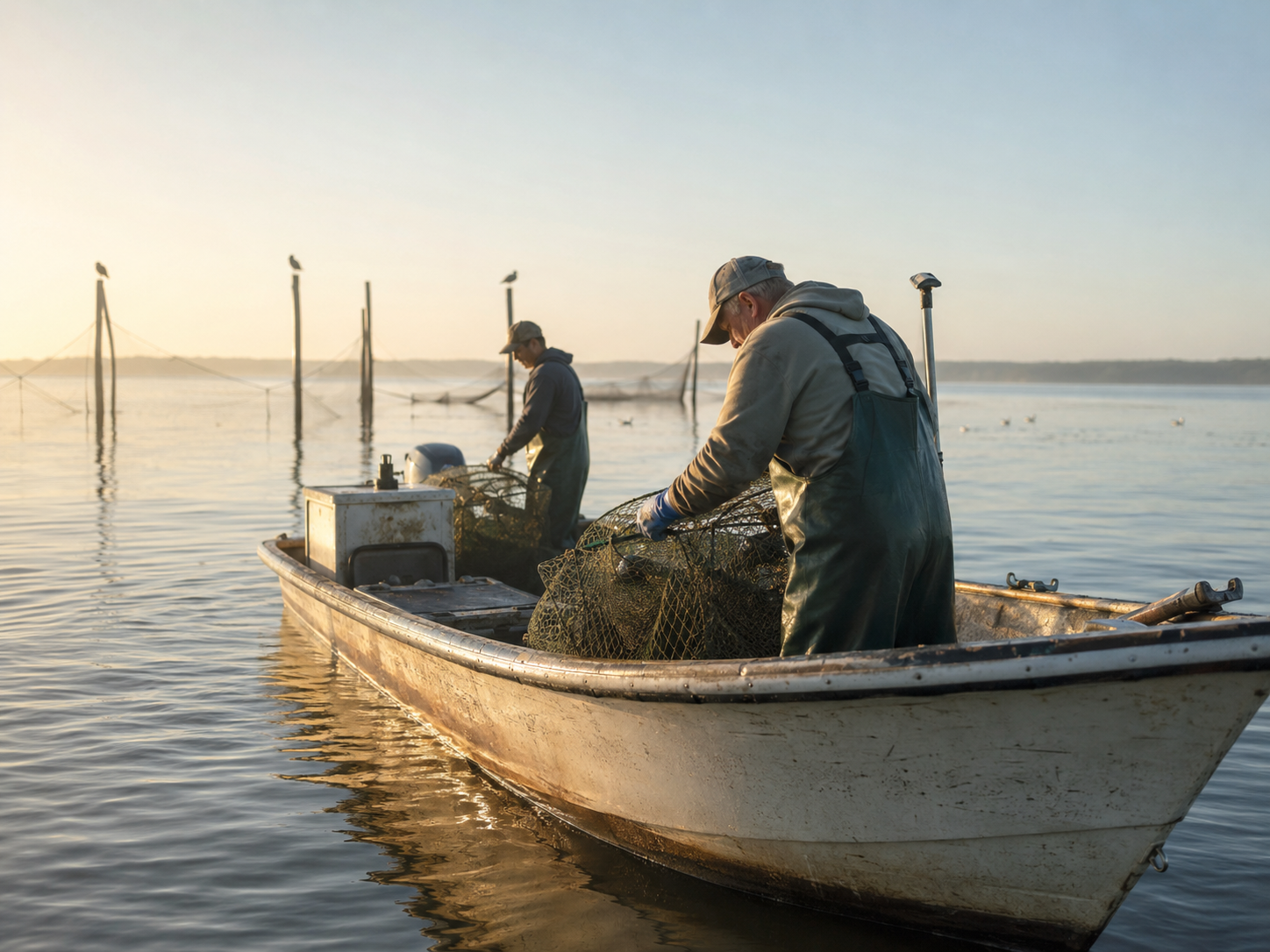
Working watermen in Southern Maryland rivers Southern Maryland

St. Mary's · Potomac · Patuxent

Southern Maryland Rivers

Working river harvests tied to pound nets, crabs, oysters, perch, blue catfish, bait fish, and striped bass season. This is the home-water foundation of the Death Fish story.

Known forLocal river identity, pound-net stories, and direct connection between harvest and buyer.
Anchor placesSt. Mary's River, lower Potomac, lower Patuxent, Piney Point, Point Lookout.
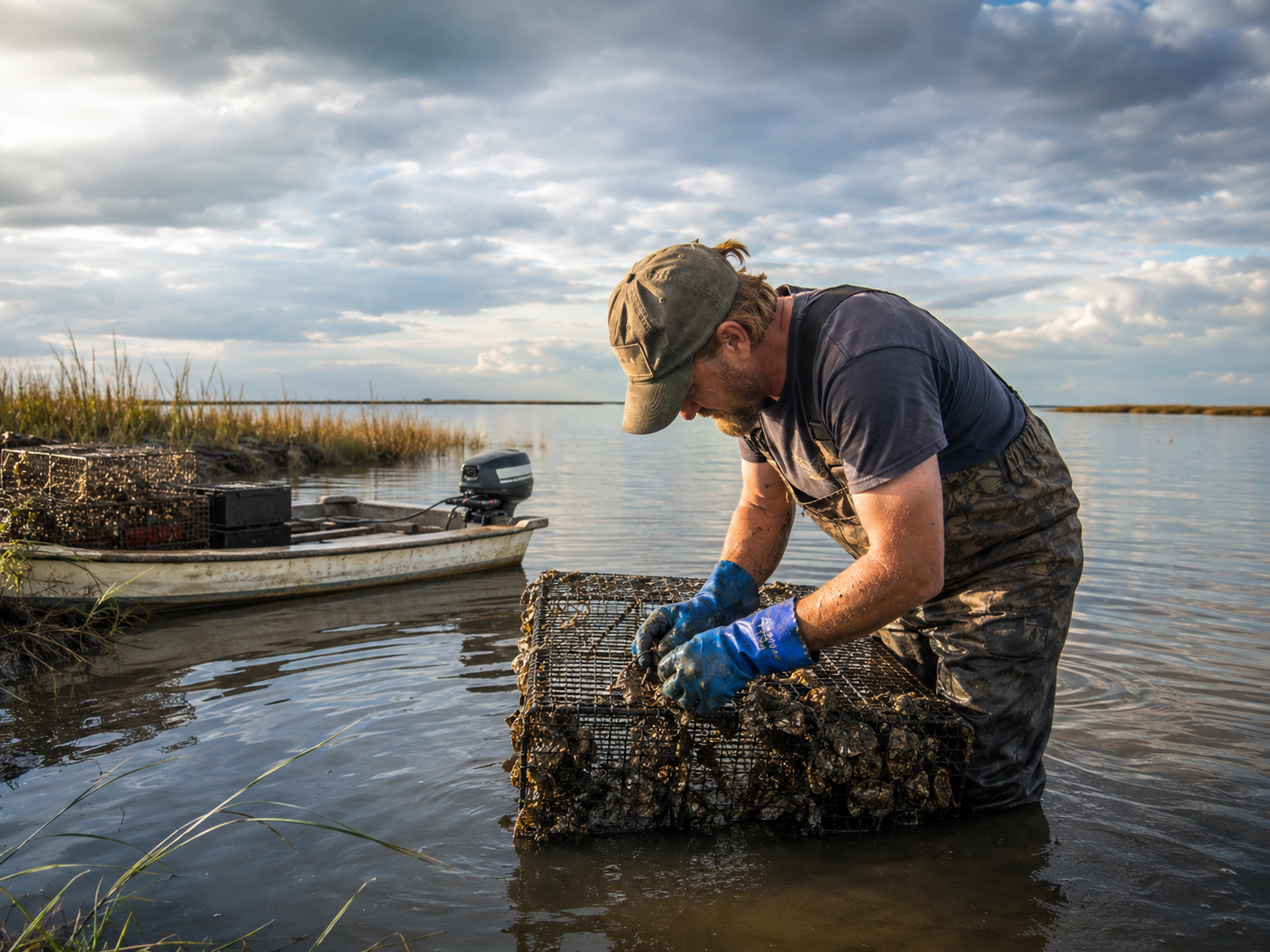
Working waterman in the Rappahannock River and Northern Neck Virginia River Country

Rappahannock · Tappahannock · Northern Neck

Rappahannock River & Northern Neck

One of Virginia's strongest river-seafood identities, known for oysters, crabs, striped bass, and the kind of place-based seafood story buyers can actually tell.

Known forRiver oysters, classic docks, crab sheds, and a historic working-water culture.
Anchor placesTappahannock, Warsaw, Kinsale, Irvington, the river mouth to the Bay.
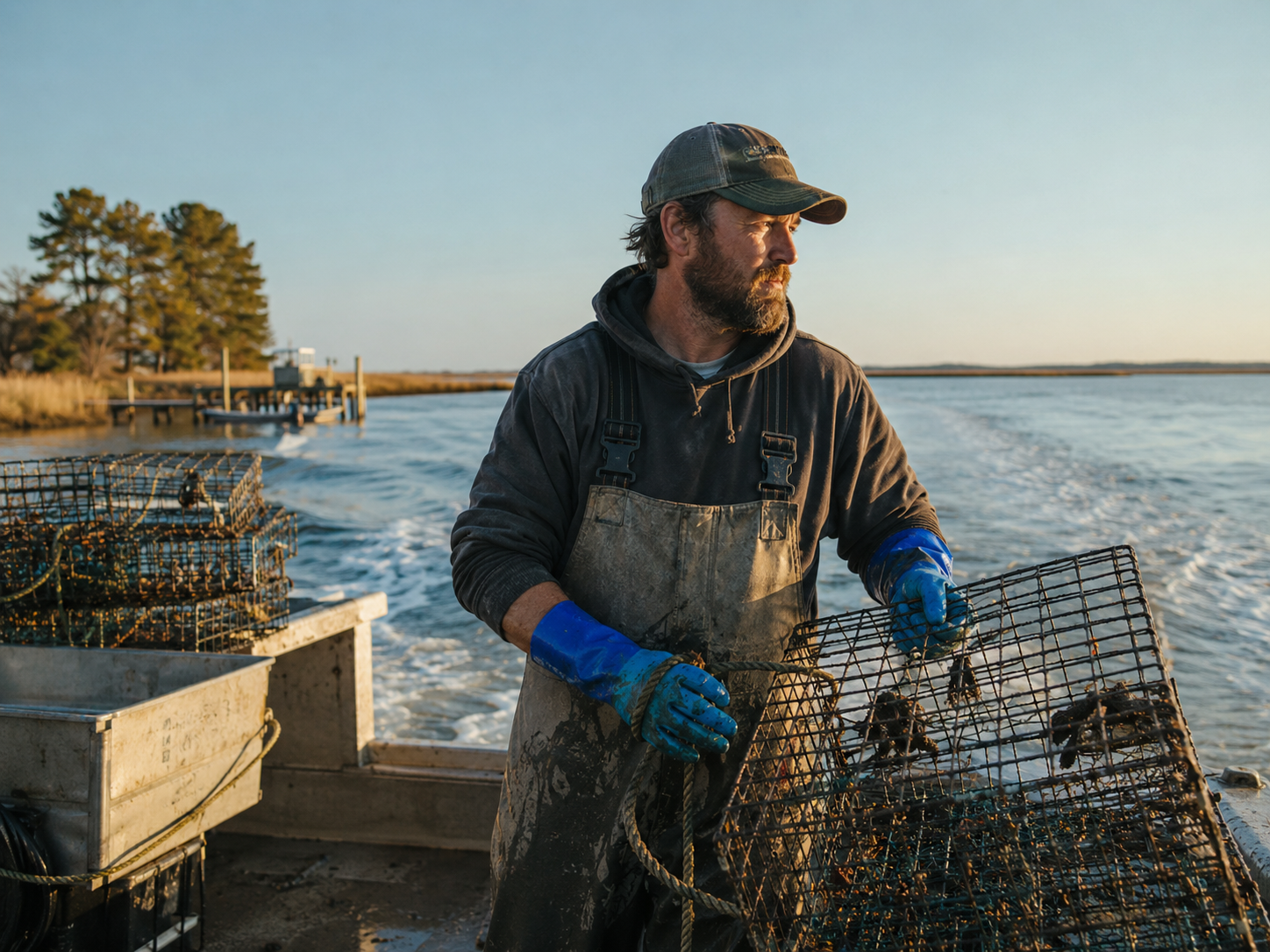
Tappahannock and upper-mid Rappahannock River working water River Town Anchor

Tappahannock · Upper-Mid Rappahannock

Tappahannock & Upper-Mid Rappahannock

A deeper place page inside the Rappahannock story, built for buyers who need a specific river town and upper-mid river identity tied to oysters, crabs, finfish, docks, and future featured watermen.

Known forSpecific place-name storytelling, river seafood identity, and a clear customer-facing anchor.
Anchor placesTappahannock, upper-mid Rappahannock, Warsaw connection, downriver route toward the Northern Neck.
Middle Peninsula and Mobjack Bay working waterman Middle Peninsula

Urbanna · Deltaville · Mobjack Bay

Middle Peninsula & Mobjack Bay

Small working waterfronts, crab and oyster culture, and a stretch of Bay country where seafood still feels close to the people and places behind it.

Known forBay access, Mobjack work, oysters, blue crab, and flexible multi-species harvests.
Anchor placesUrbanna, Deltaville, Mathews, Gloucester, York River influence.
Lower Chesapeake and Poquoson watermen Lower Bay

Poquoson · York mouth · Hampton Roads

Lower Chesapeake Bay & Poquoson

Salty lower-Bay marshes, creek systems, crab and oyster work, and a broad commercial water culture that reaches from Poquoson into Hampton Roads.

Known forLower-Bay marsh country, crabs, oysters, clams, and mixed finfish harvests.
Anchor placesPoquoson, Back River, Hampton, lower York, lower James.
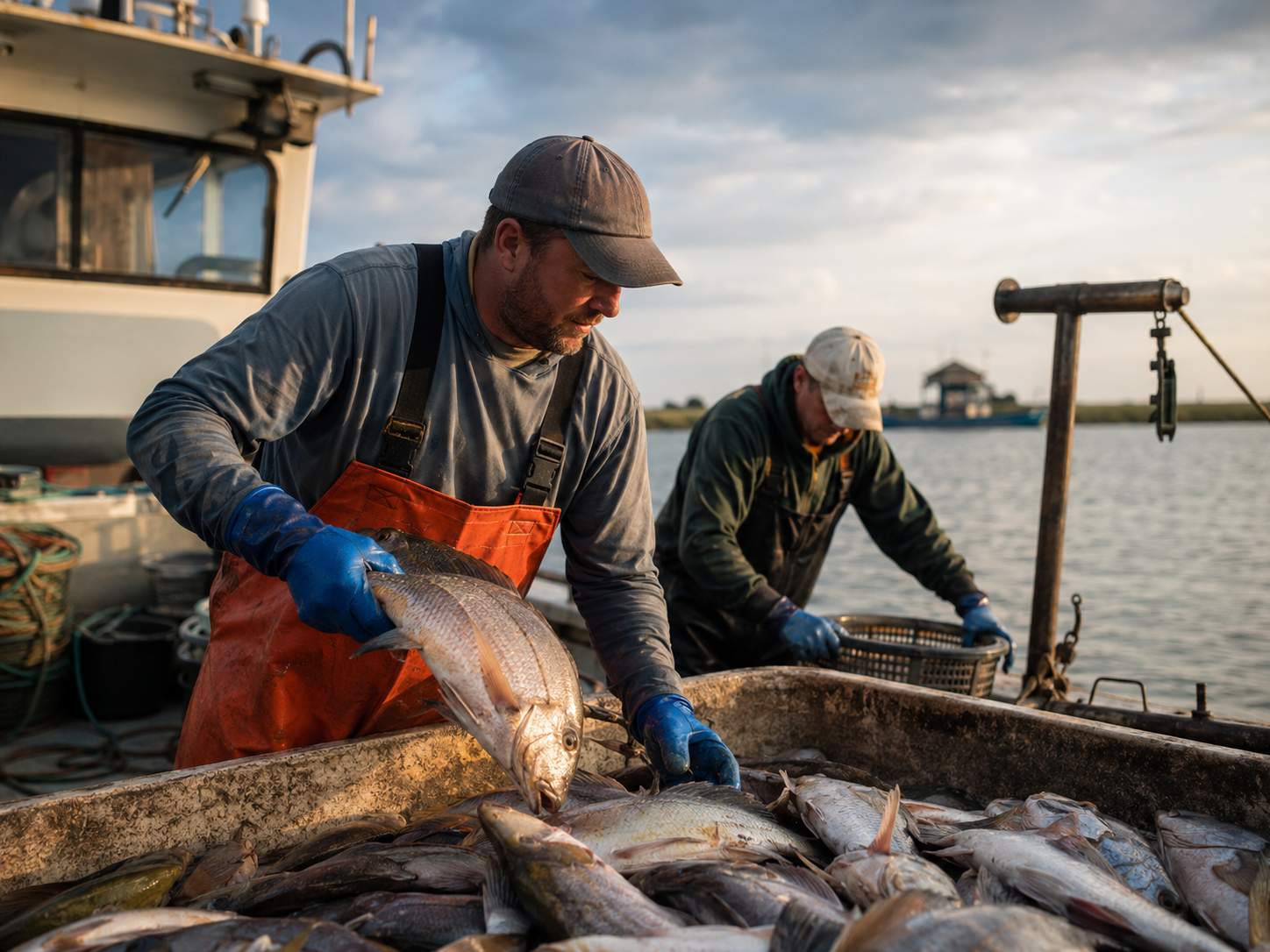
Coastal Virginia working watermen on a boat Atlantic Side

Eastern Shore · Seaside harbors · Coast

Coastal Virginia

From the Eastern Shore to Atlantic-side seafood culture, this region expands the story beyond the Bay while staying rooted in real working-water harvests.

Known forOpen water, shellfish, inshore commercial work, and distinct coastal harvest identity.
Anchor placesCape Charles, Wachapreague, Chincoteague, seaside inlets and harbors.

Why this section matters

The route is part of the story too.

Death Fish does more than describe seafood. We physically move fish and crabs from these waters to restaurant kitchens, seafood markets, and buyers along the route. That puts us in direct contact with working watermen and gives buyers a practical way to tell customers where the seafood came from.

Real pickup points and working waterfronts.
Practical buyer language for menus, counters, and specials.
A growing bridge between regional harvests and featured watermen profiles.
Keep the harvest visible

Each river, bay, and shoreline gives seafood a different identity.

Explore the region pages, follow the waters, and make the place part of the purchase. That is how the story stays connected from the waterman to the buyer and all the way to the customer.