Death Fish Storied Seafood

The Watermen

Meet the people behind local seafood: the captains and crews who work the weather, maintain the boats and gear, carry the cost of the trade, and keep the story of Chesapeake seafood connected to real water.

Why these stories matter

Seafood is worth more when the work behind it stays visible.

Storied Seafood is built to promote working watermen while helping customers understand the source of their food. A pound of local fish carries more than a species name. It carries fuel, ice, bait, maintenance, dock time, licenses, equipment, boat repairs, gear work, crew time, and the years of local knowledge it takes to harvest responsibly.

The goal is to show the whole picture with respect: the hard work, the real cost of staying on the water, the seasonal knowledge, the stewardship, and the value of keeping local seafood tied to the people who harvested it.
The whole working-water picture

Working the water is more than catching fish.

Before seafood reaches a plate or display case, watermen are carrying the normal costs of business, the risk of the weather, the pressure of the season, and the responsibility that comes with harvesting from local waters.

1

Boats, gear, and weather

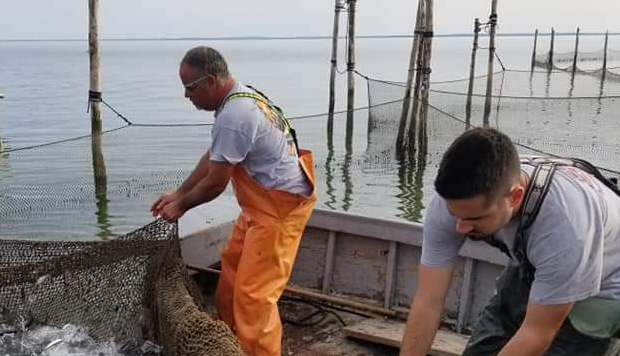
The work starts before daylight with vessels, engines, nets, pots, tongs, dredges, ice, fuel, repairs, crew, and weather windows that can change the day fast.

2

Licenses and working costs

Commercial harvest depends on licenses, permits, seasons, dependable gear, fuel, ice, maintenance, and the discipline to work responsibly when the window is right.

3

Check-station connection

As a licensed striped bass check-station, Death Fish helps move the catch from working boats toward buyers while keeping the waterman, region, species, and story attached to the harvest.

4

Stewardship on the water

The people working these rivers and bays see the wetlands, shorelines, grasses, tides, and wildlife every day. Their experience is part of the local watershed story and their continued presence helps keep that relationship visible.

Working waterman connected to Chesapeake seafood harvests

Watermen do not need to disappear behind generic seafood labels. The person, place, and season are part of the value.

For old-school watermen and new customers

This is not about changing the work. It is about carrying the story farther.

Many longtime watermen already know what customers are only beginning to ask. They know the river bends, the shoals, the gear, the weather, the seasons, and the difference between a good day and a hard one. Storied Seafood gives that knowledge a place to be seen by the people buying the catch.

For buyers, it creates confidence. For restaurants and markets, it creates a better conversation at the counter or table. For watermen, it helps defend the worth of a local harvest in a market where anonymous seafood is easy to overlook.

Fish Alert is the lead generator

Fresh seafood alerts, plus customer-facing story tools.

Fish Alert connects restaurants, seafood markets, and interested buyers to incoming local harvests before the catch disappears into the general market. Subscribers can receive notice of what is being harvested, expected dock arrival, species, price per pound, and the short purchase window to commit.

When a buyer purchases seafood through a Fish Alert, that seafood purchase can be accompanied by free customer-facing marketing material with QR codes that spotlight the region and the watermen connected to that harvest.

Meet the watermen

Profiles from the working shoreline.

Each card introduces a waterman, home waters, target species, gear, and working role. Open the full story to see how the person, harvest, and seafood source connect.

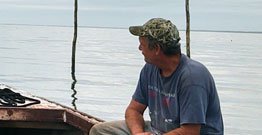
Capt. Joe Nelson, featured working waterman

St. George Island, Maryland

Capt. Joe Nelson

Generation-tested Southern Maryland waterman with a pound net story tied to the St. Mary’s River and Chesapeake harvest traditions.

Target species

Rockfish / Striped Bass, Perch, Blue Catfish, Bait Fish

Gear

Pound Nets

View Story ›
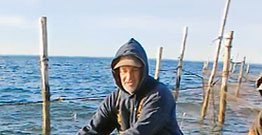
Jerry Lukefahr, featured working waterman

St. Mary’s, Maryland

Jerry Lukefahr

A lifetime of working-water experience from North Carolina sounds to Southern Maryland rivers, bays, and seasonal harvests.

Target species

Rockfish, Perch, Catfish, Menhaden, Blue Crabs, Oysters

Gear

Pound Nets, Crab Pots, Tongs, Dredge

View Story ›
Johnny Cakes, featured working waterman

Callaway, Maryland

Johnny Cakes

A lifelong St. Mary’s County working waterman and senior crewman known for the heavy lifting behind many Southern Maryland harvests.

Target species

Rockfish, Perch, Catfish, Menhaden, Blue Crabs, Oysters

Gear

Pound Nets, Crab Pots, Tongs, Dredge

View Story ›

What the profiles help preserve

The story is part of the seafood.

Known-source seafood helps customers understand why local harvests deserve attention, respect, and a fair price.

Transparency

Names, regions, gear, and harvest timing help move seafood out of anonymity and into a story customers can understand.

Local value

Restaurants and markets can explain the value of local harvests by pointing to the person, region, season, gear, and work behind the seafood.

Working tradition

Profiles keep the people, skills, boats, and fishing grounds visible to the communities that benefit from them.

Keep the source visible

Ask for the waterman behind the seafood.

Support local harvests by asking where the seafood came from, who harvested it, and whether the purchase includes the story material that helps customers see the source.