Death Fish Storied Seafood

Always ask where the seafood came from

Seafood Guide

A practical guide to the species, seasons, buying questions, and handling habits that help connect Chesapeake seafood to the working watermen and waters behind it.

Know the seafood. Know the story.

The best seafood guide starts with a place.

Seafood is more than a species name on a menu. A crab can bring to mind the lower Chesapeake, a familiar river mouth, a working shoreline, a trotline, a pot, a dock, and the waterman who made the trip in weather most customers never see.

This guide helps buyers, restaurants, markets, and home cooks understand what to ask, what to expect, and how to keep the story visible from the boat to the plate.
Local species guide

Species with a working-water story.

Availability changes with weather, rules, season, gear, and market demand. Use these cards as a buyer-friendly guide, then confirm the current harvest story through your waterman, fish house, seafood market, or Fish Alert.

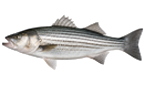
Fresh rockfish harvest
Striped bass / Rockfish

Clean, firm, Chesapeake-famous.

One of the most recognized Chesapeake fish. Ask where it was landed, who harvested it, and whether the story connects to a specific river, bay region, or pound net set.

Ask about
Harvest area, landing, gear, and current availability.
Good for
Baking, grilling, pan searing, and simple preparations.
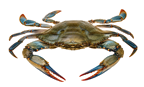
Blue crab icon
Blue crab

The flavor of a working shoreline.

Crab is one of the clearest examples of seafood that invokes place: river mouths, marsh edges, crab houses, picking rooms, steam tables, and lower Chesapeake communities.

Ask about
River or bay region, live/steamed/picked form, and local landing.
Good for
Steaming, picking, crab cakes, soups, dips, and specials.
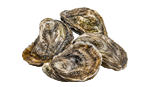
Oyster icon
Oysters

Shellfish that tastes like its water.

Oysters carry a strong sense of place. Salinity, bottom, creek, river, and handling all influence the story customers experience at the table.

Ask about
Harvest area, pack date, handling, and whether they are wild or farmed.
Good for
Raw bars, roasting, stews, frying, and regional pairings.
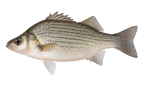
White perch icon
White perch

Small fish. Big local identity.

White perch is a familiar Chesapeake table fish with a quiet following. It can connect a customer directly to creeks, rivers, and small-scale harvest.

Ask about
River source, freshness, whole or filleted form, and catch method.
Good for
Pan frying, fish sandwiches, baskets, and simple local plates.
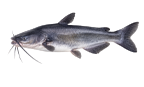
Blue catfish icon
Blue catfish

A local harvest with a strong purpose.

Blue catfish gives restaurants and markets a chance to feature a mild, adaptable fish while supporting harvest pressure on an abundant Chesapeake predator.

Ask about
River system, size range, fillet trim, and harvest freshness.
Good for
Frying, blackening, tacos, sandwiches, and family meals.
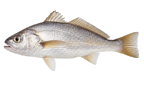
Croaker icon
Croaker

A seasonal favorite with local pull.

Croaker helps show customers how seafood availability moves with migration, weather, and regional conditions instead of a fixed warehouse calendar.

Ask about
Seasonal run, harvest region, size, and whole-fish availability.
Good for
Frying whole, grilling, broiling, and casual seafood plates.
Menhaden icon
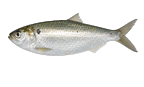
Menhaden / bait fish

The fish behind the fishery.

Not every important fish is a center-of-plate item. Menhaden and bait fish support the working rhythm of local fisheries and help tell the fuller story.

Ask about
Use, handling, local harvest, and connection to other fisheries.
Good for
Bait supply, fishery context, and explaining the food web.
Buyer habit

Make the story part of the order.

Before you buy, ask for the species, region, harvest timing, waterman or fish house connection, and how quickly it moved from dock to customer.

Join Fish Alert ›

How to buy better seafood

Questions that bring the story forward.

01

Where did it come from?

Look for a real place, not just a vague “local” label. A region, river, sound, creek, dock, fish house, or captain makes the story stronger.

02

Who harvested it?

When possible, connect the seafood to the working waterman, crew, vessel, or landing that brought it in.

03

How was it harvested?

Gear matters. Pound nets, pots, dredges, tongs, rakes, gill nets, and hook-and-line harvests each carry a different working-water story.

04

When was it landed?

Fresh seafood moves through weather, tides, market timing, and dock schedules. Knowing the landing window helps buyers understand value.

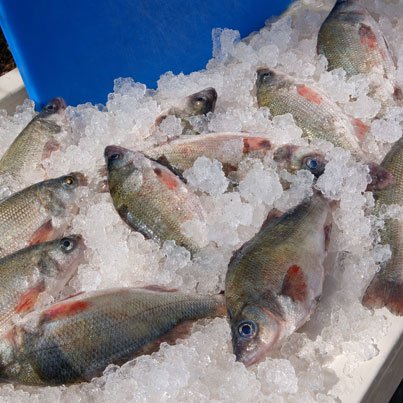
Fresh harvested Chesapeake fish displayed at the dock

Seafood with a visible story gives restaurants, markets, and customers something real to talk about.

Handling and respect

Freshness is part of the story.

Good handling protects the waterman’s work after the harvest. Keep seafood cold, clean, covered, and moving. Ask how it was packed, when it was landed, and how it should be stored before cooking or service.

Keep it cold. Use proper refrigeration and transport seafood quickly.
Cook with the species in mind. Firm fish, delicate fish, crab, and oysters each deserve different handling.
Tell the customer. Share the water, region, and working-water connection whenever possible.

For restaurants and markets

Turn availability into a feature, not a problem.

Small-scale coastal fisheries do not always work like a warehouse. Weather, rules, gear changes, crew availability, tides, and fish movement all shape what comes in. That is exactly why the story matters.

Use the seafood guide

Help staff explain why species change, why a harvest is limited, and why a known source is worth asking for.

Display the story

Use Certified Storied recognition, QR links, table tents, and waterman profiles to make the harvest visible.

Wear the support

Working Watermen merchandise helps put the people behind the harvest in front of the customer.

Keep the story moving

Seafood tastes different when customers know where it came from.

Use the guide, ask the question, follow the harvest, and help bring working watermen forward in the seafood story.